 Posted on 17/10/2026
Ahiflower®: An Exceptional Botanical Oil at the Heart of Beautiful Skin
Some of nature’s most precious treasures are hidden within the most delicate flowers. Ahiflower® is a beautiful example.
Behind its tiny white blossoms lies a botanical oil with a remarkable composition, bringing together an exceptional diversity of essential fatty acids.
But what makes this oil so special that it deserves a place in a premium skincare formulation?
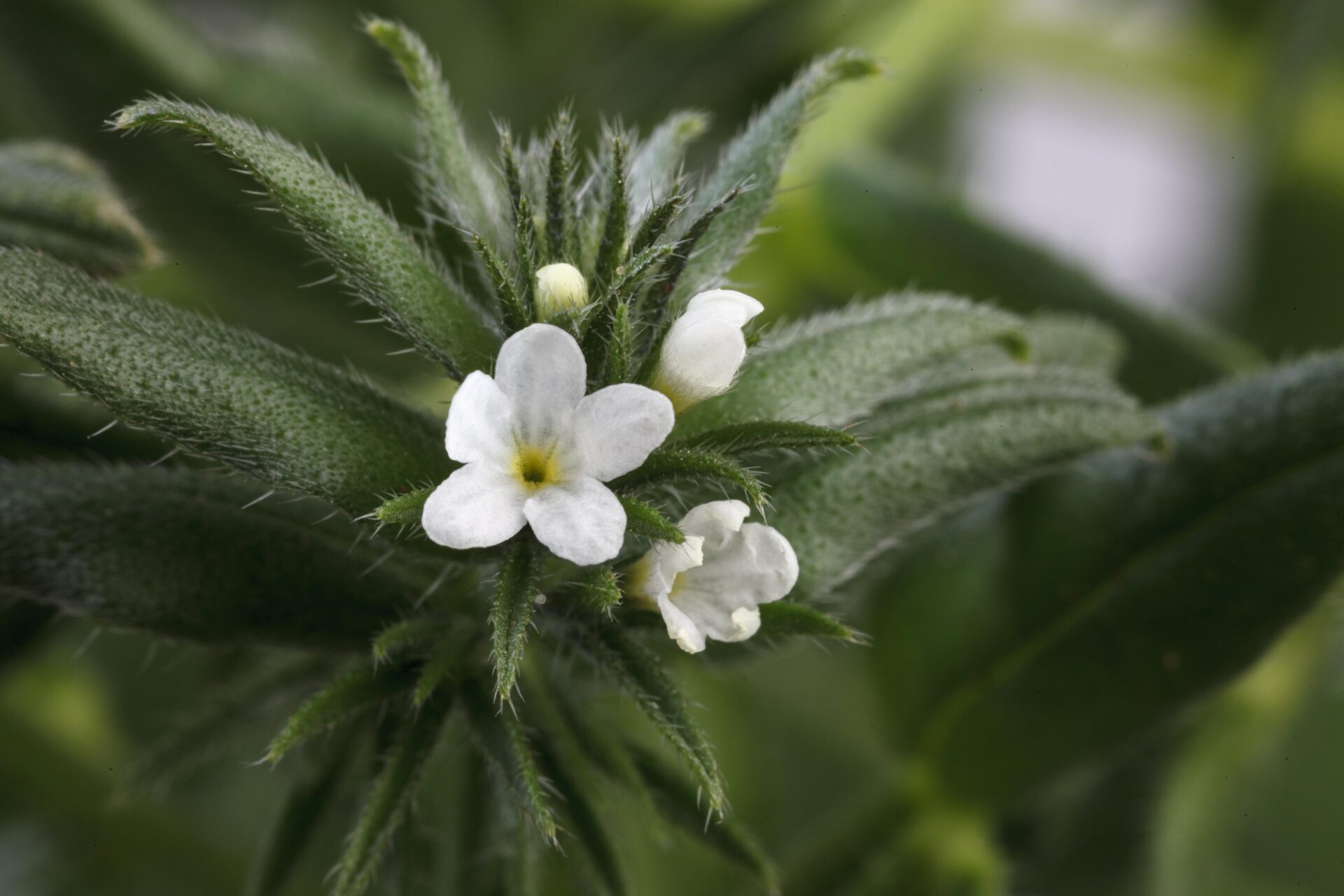
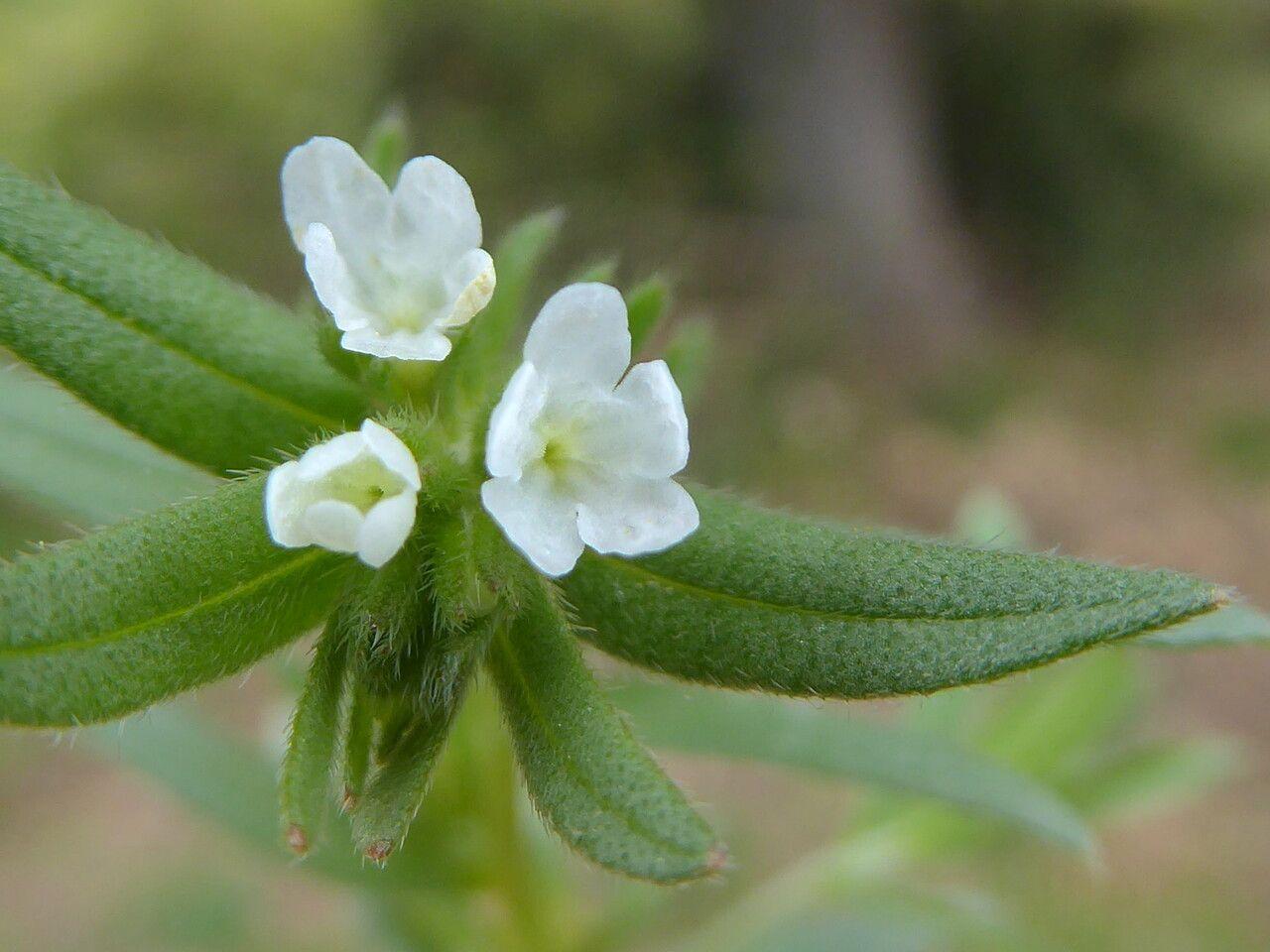
A Delicate Flower, an Extraordinary Richness
Extracted from the seeds of Buglossoides arvensis, a plant grown primarily in the United Kingdom, Ahiflower® oil is produced in Canada and stands out for its concentration and diversity of fatty acids.
It naturally contains omega-3, 6, and 9 fatty acids, which together account for more than 85% of its composition.
These include stearidonic acid (SDA), alpha-linolenic acid (ALA), gamma-linolenic acid (GLA), and linoleic acid (LA).
This distinctive combination sets Ahiflower apart from more conventional botanical oils.
Why Are Fatty Acids So Precious for the Skin?
Our skin naturally possesses a lipid barrier that helps retain moisture and protect it from external aggressors.
Over time, seasonal changes and physiological transformations can leave the skin feeling drier, less supple, and more prone to discomfort.
Botanical oils rich in fatty acids can therefore be valuable ingredients in skincare formulations.
Linoleic acid, in particular, plays an important role in maintaining a healthy, functional skin barrier.
Beyond simply providing a feeling of softness, the selection of lipids used in a skincare formula deserves thoughtful consideration.
Where Science Meets Nature
Ahiflower® has been the subject of scientific research, particularly regarding how its fatty acids are metabolized when consumed.
Clinical studies presented by its manufacturer have shown that its fatty acids can be converted into EPA up to four times more efficiently than those found in flaxseed oil.
Although these findings relate to nutritional consumption rather than topical skincare application, they highlight the scientific interest surrounding its unique composition.
In cosmetics, it is precisely this lipid richness that captures our attention.
The Beauty of a Responsible Choice
Ahiflower’s appeal extends beyond its composition.
This botanical oil comes from non-GMO crops cultivated using regenerative agricultural practices.
Its Crop Assured 365® traceability program allows the different stages of production to be monitored, from cultivation to processing.
An approach in which ingredient quality and respect for its origins come together in a shared vision of skincare.
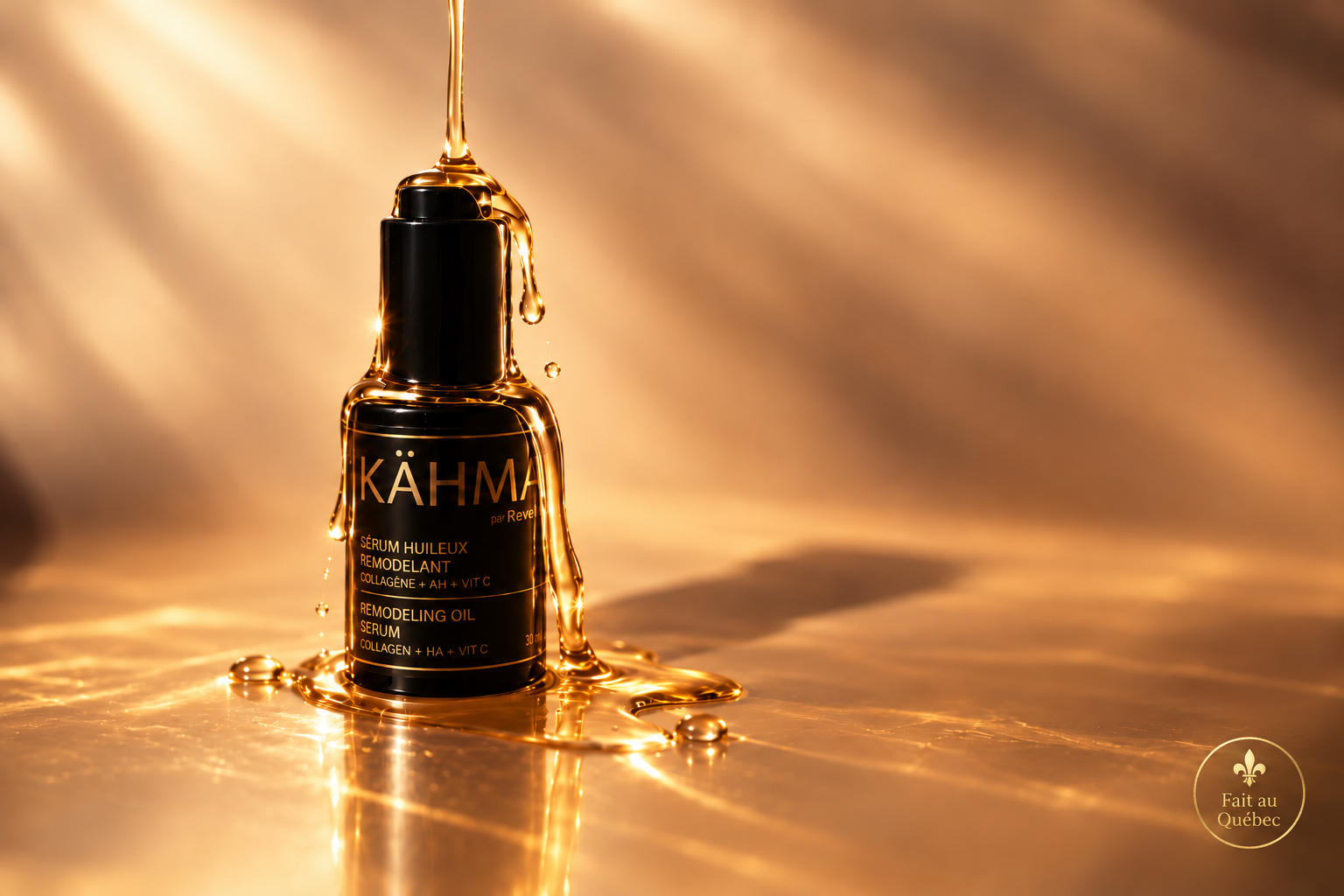
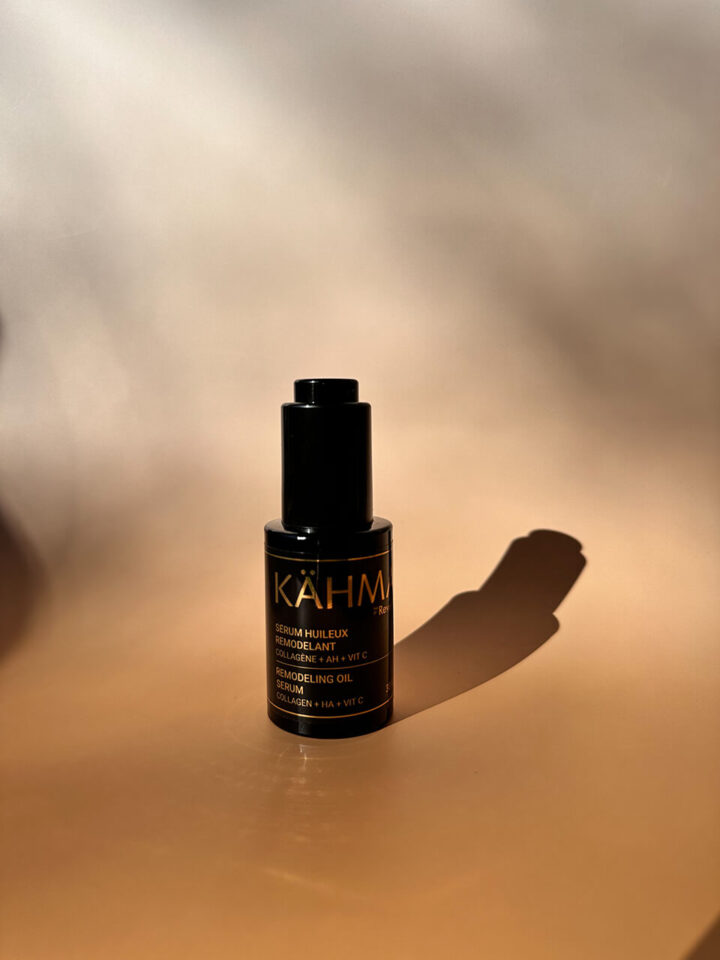
Its Place in KÄHMA’s Remodeling Oil Serum
In our Remodeling Oil Serum, Ahiflower is combined with other carefully selected ingredients, including Abyssinian oil, meadowfoam oil, coenzyme Q10, THD vitamin C, and our oil-soluble hyaluronic acid in three molecular weights.
Each ingredient brings its own distinctive characteristics to a sophisticated formulation where botanical oils and skincare actives complement one another.
Our intention is to offer the skin an enveloping, nourishing, and refined skincare experience without unnecessarily complicating the daily routine.
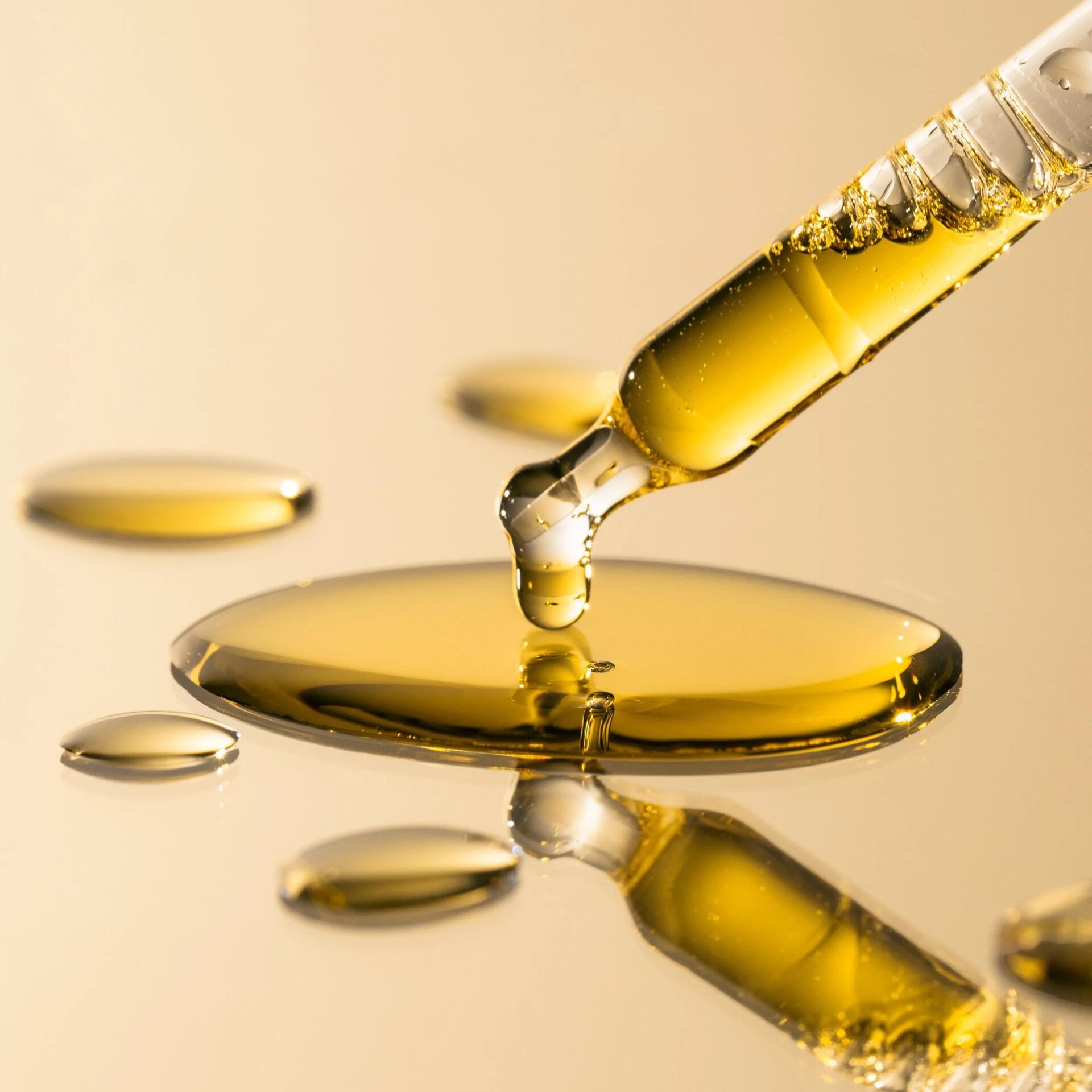
A few drops can be applied after a hydrating treatment or blended into our Regenerating Cream, according to individual needs and preferences.
The Art of Choosing
Creating exceptional skincare is not simply about bringing together well-known ingredients.
It is about understanding their nature, appreciating their unique characteristics, and determining how they can complement one another within a thoughtfully developed formulation.
Ahiflower® perfectly embodies this philosophy: a botanical oil with a delicate origin and a truly remarkable composition.
Because at KÄHMA, every ingredient earns its place.
KÄHMA — Sublime beauty rituals to awaken the divine within you.
Scientific note: Clinical findings regarding the conversion of Ahiflower fatty acids into EPA are based on studies involving oral consumption. They do not demonstrate these same effects through topical application.