 Posted on 18/09/2026
Ceramides: Much more than your average cream ingredient
When ceramides get mentioned, you may immediately think of your moisturizer or hydrating serum.
And you would be right.
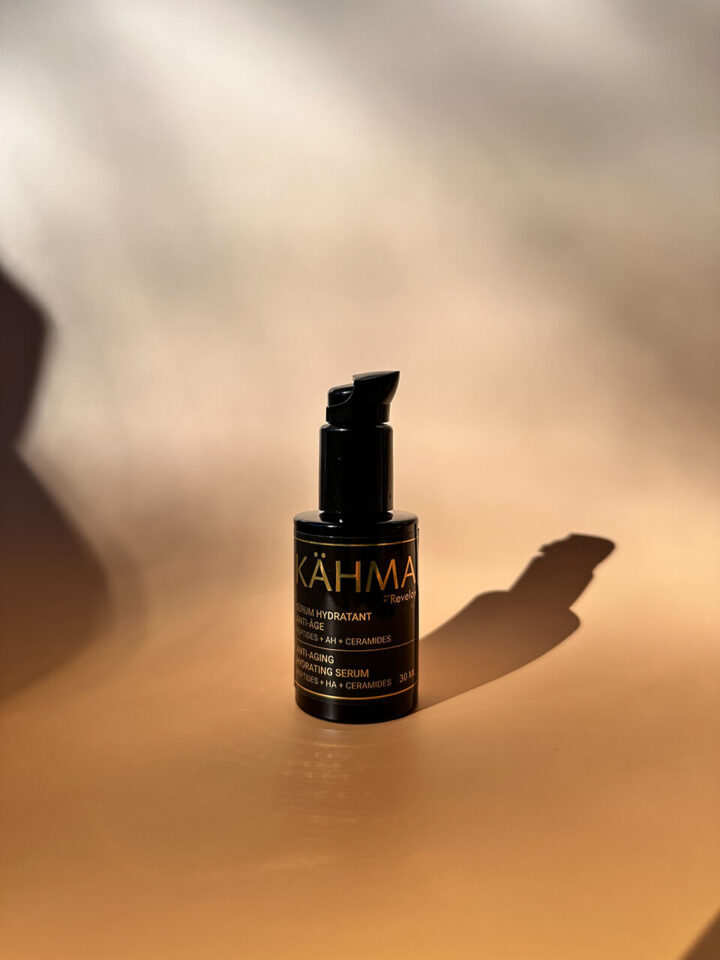
Ceramides have played an important role in skincare when it comes to hydration and the skin barrier for several years now. In fact, we already use them in our KÄHMA Hydrating Serum. What is less well known, however, is that certain plant-derived ceramides are also being studied when consumed orally.
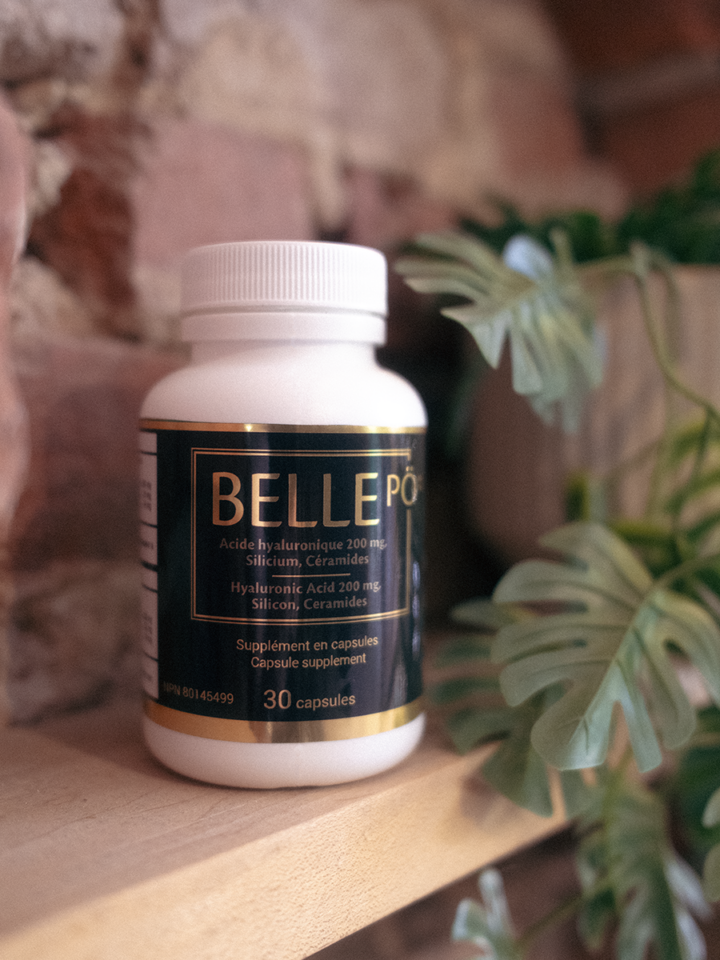
This particularly caught our attention when we began working on BellePÖ.
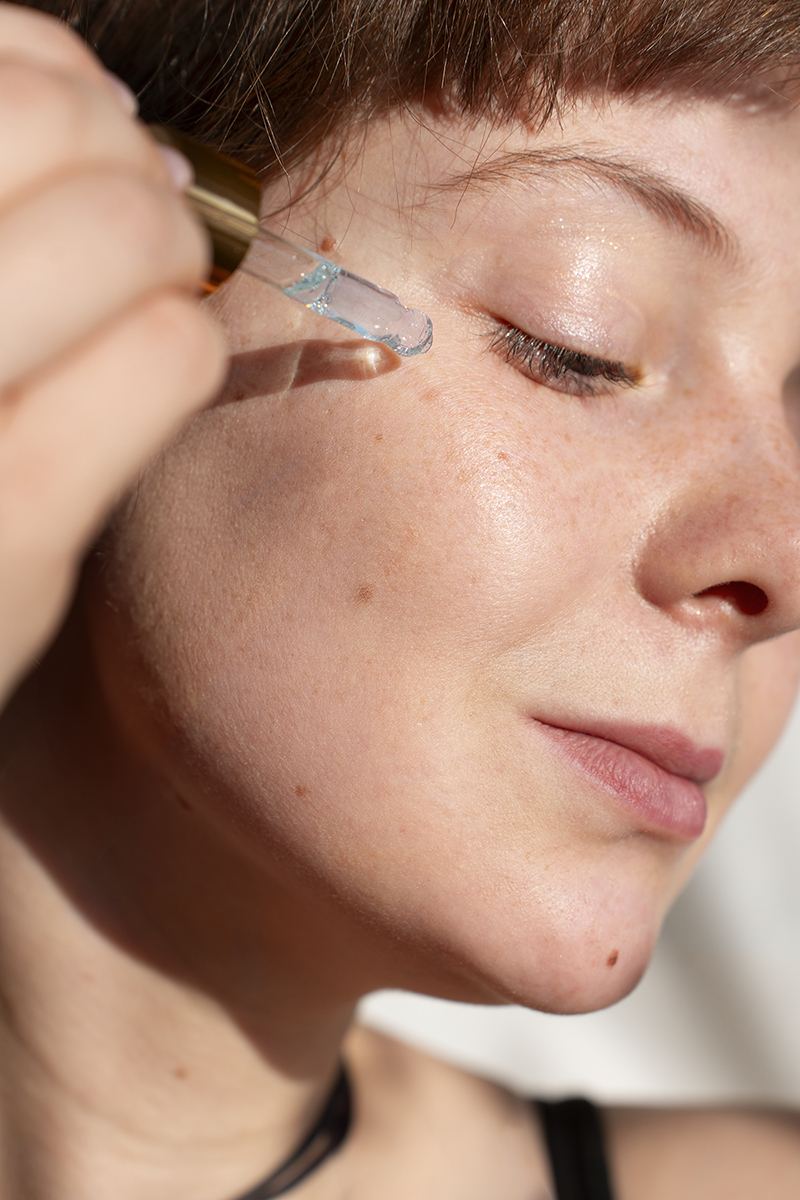
But first, what exactly is a ceramide?
Ceramides are lipids naturally present in our skin. They are found primarily in the stratum corneum, the outermost layer of the epidermis, where they make up an important part of the intercellular lipids and contribute to the structure of the skin barrier.
A simple comparison is often used to explain their role: imagine the skin cells as the bricks in a wall. The lipids surrounding them, including ceramides, are part of the “mortar” that helps keep that wall well organized. This structure is essential, particularly because it helps the skin limit water loss to the outside environment.
Hydrating the skin is one thing. Helping it retain that hydration is another.
Our skin naturally loses a certain amount of water to the environment. Researchers measure this phenomenon as transepidermal water loss, or TEWL. When the skin barrier is functioning properly, it helps slow this evaporation and preserve the water present in the skin.
This is where ceramides become particularly interesting and where we find an important distinction: They are not simply associated with “adding hydration.” They are part of the structure that allows the skin to better preserve its hydration.
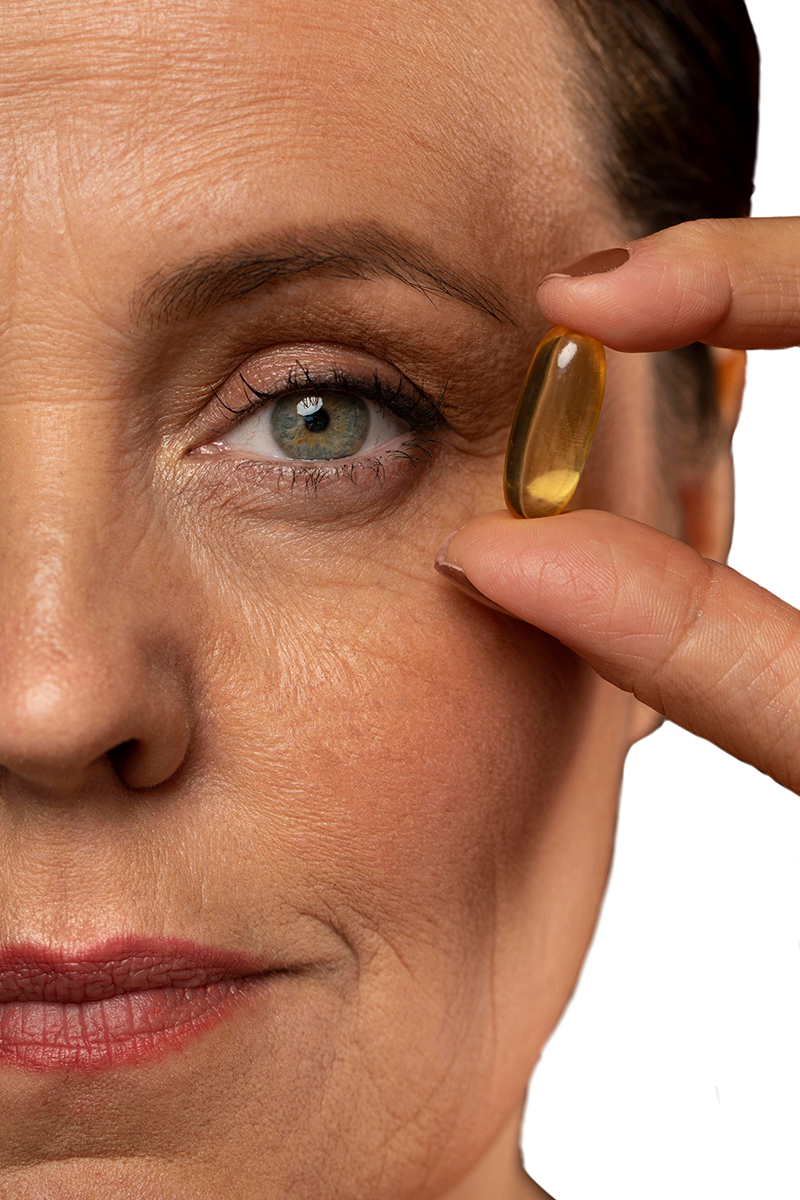
What about ceramides in a capsule?
Certain plants naturally contain glucosylceramides, a family of plant sphingolipids related to ceramides. In recent years, researchers have become interested in what happens when these plant glucosylceramides are consumed orally, particularly in relation to skin hydration and barrier function. The findings have been interesting enough for us to want to explore further.
What does the research tell us about rice-derived ceramides?
A clinical study published in 2021 looked at a rice extract containing glucosylceramides in 44 women experiencing skin dehydration.
Over a 12-week period, participants in the study group consumed a rice extract providing glucosylceramides each day.
Researchers observed, among other things, a reduction in transepidermal water loss on the cheeks, as well as improved lip moisture. Certain parameters associated with the appearance of pores also improved.1
The authors also explored what might explain these observations. Different pathways involved in the absorption and metabolism of glucosylceramides are being studied, along with their potential influence on mechanisms related to ceramides in the epidermis.1
Other experimental research on lipids isolated from rice has explored their effects on skin barrier function. Certain glucosylceramides have been associated with reduced water loss and increased filaggrin, a protein involved in the skin’s natural hydration mechanisms within the stratum corneum.2
These studies are beginning to help us understand not only what may be observed, but also the mechanisms that could potentially explain those observations.
And this is the part of science that I find particularly fascinating.
Why combine them with hyaluronic acid?
For nearly 15 years, hyaluronic acid has been Revelox’s signature ingredient. it has been at the heart of much of our story and we wanted to continue that story while exploring a new dimension with BellePÖ.
Hyaluronic acid leads us to look at hydration and the ability to retain water. Ceramides invite us to consider that same hydration from a different and complementary perspective to preserve the skin barrier and the retain water within the skin; bringing together ingredients that each have a genuine reason for being there.
Another way of thinking about IN & OUT
Ultimately, ceramides illustrate our IN & OUT philosophy particularly well and fit well in the vision of well-aging that we want to continue developing at Revelox: Better understanding our bodies, better understanding the ingredients we choose, and supporting ourselves intelligently as time goes by.
We can care for our skin from the outside, with thoughtfully formulated skincare and ingredients selected to support its needs. We can also take an interest in what happens from within, through our diet, lifestyle habits and certain ingredients that are now the subject of increasingly advanced research.
Behind every formula, there is careful thought. Behind every ingredient, there is a purpose.
And sometimes, truly understanding an ingredient takes us much further than simply reading its name on a label.
Luce Duchaussoy
Founder of Revelox
References
- Takara T. et al. (2021). Oryza Ceramide®, a rice-derived extract consisting of glucosylceramides and β-sitosterol glucoside, improves facial skin dehydration in Japanese subjects. Functional Foods in Health and Disease, 11(8), 385–407. DOI: 10.31989/ffhd.v11i8.809. ↩︎
- Shimoda H. et al. (2023). Étude sur les glucosylcéramides, céramides et β-sitosterol glucoside dérivés du riz et leurs effets sur la fonction barrière de l’épiderme. ↩︎